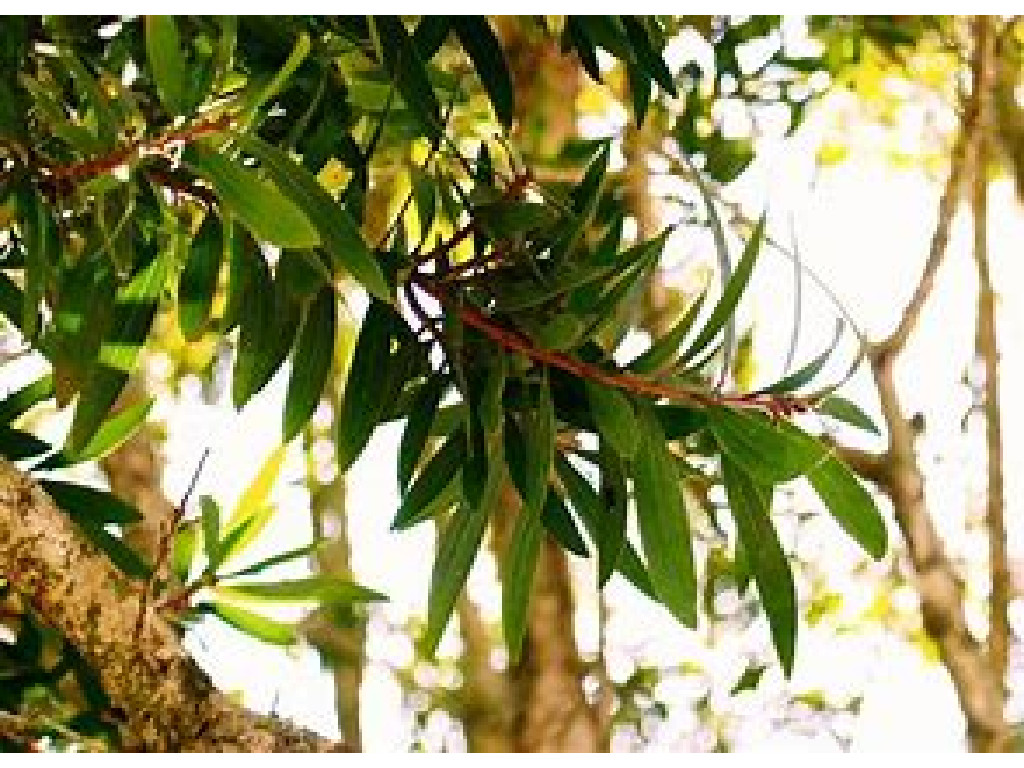

Cajeput Oil
Cajeput Oil
Cajeput oil has antifungal, antiseptic and antibacterial properties and promotes recovery from bacterial or fungal diseases
An antiseptic oil with anti-oxidants, it contains 1,8-Cineole, a-Terpineol, limonene, and linalool which are attributed to antimicrobial properties and 1,8-Cineole is also responsible for its analgesic and anti-inflammatory properties.
The name “cajeput” is believed to be derived from the Malay word “Kayuputi” – which means “Whitewood.” Traditionally, cajeput extracts were used to treat cholera, rheumatism, and gastrointestinal disorders. The bark of the tree has been long used as a roofing and flooring material. It is also an excellent insecticide. The tree is also known as river tea tree, weeping tea tree, swamp tea tree, and punk tree.
Pictures of Cajeput Oil