Niaouli Oil
Niaouli Oil
Niaouli Oil acts as a disinfectant and helps to clear up skin irritations such as boils, ulcers, cuts and insect bites. It works both as an antiseptic and as an antibacterial agent.
Very much less irritable but similar in effect to Tea Tree oil, Niaouli, it also acts as a transdermal drug delvery mechanism to ensure active ingredients are taken into the skin.
M. quinquenervia have been shown to occur in distinct chemical forms. These forms or chemotypes are characterised by the organic compounds terpenes. Chemotype has acyclic foliar terpenes, with concentrations of sesquiterpene E-nerolidol 74–95% of total oil and also monoterpene linalool. Chemotype 2 has high concentration of cyclic foliar terpenes, in particular sesquiterpene viridiflorol with 13-66% of total oil. Chemotype 2 also includes monoterpenes 1,8-cineole and α-terpineol.
No known allergy information.
Niaouli Oil has a very low (level 1) hazard score on the Cosmetic Safety Database.
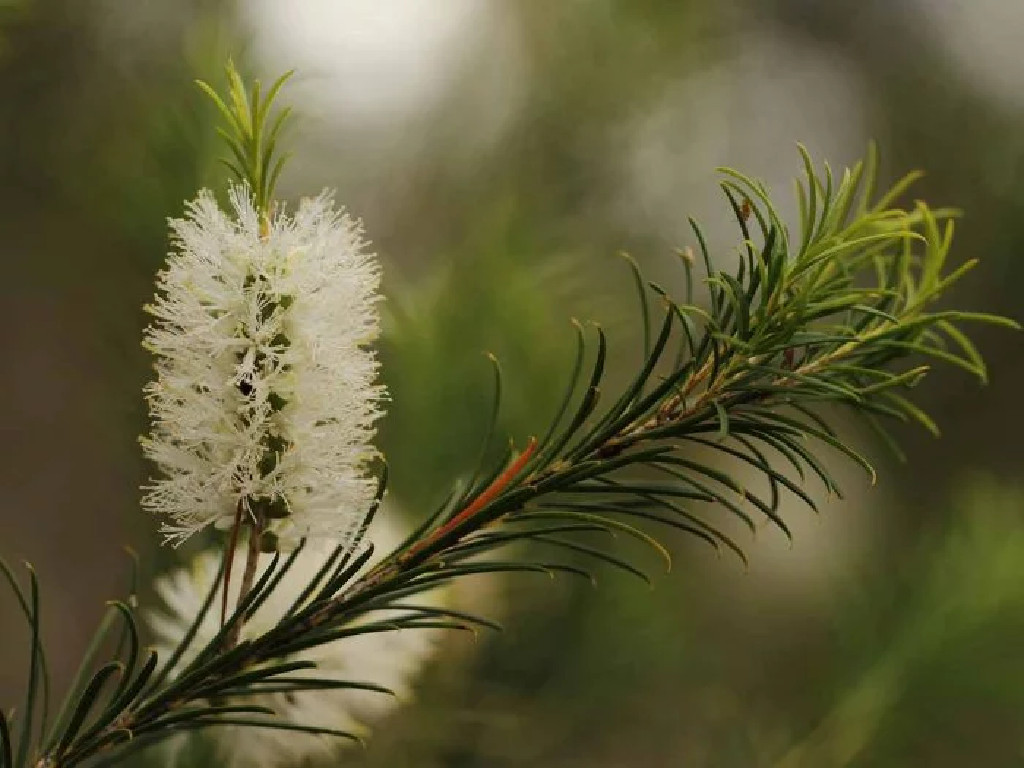
Melaleuca quinquenervia has multiple uses, and is widely used traditionally by indigenous Australians. A brew was made from the bruised young aromatic leaves to treat colds, headaches and general sickness.The oil is reported in herbalism and natural medicine to work as an antiseptic and antibacterial agent, to help with bladder infections, respiratory troubles and catarrh.
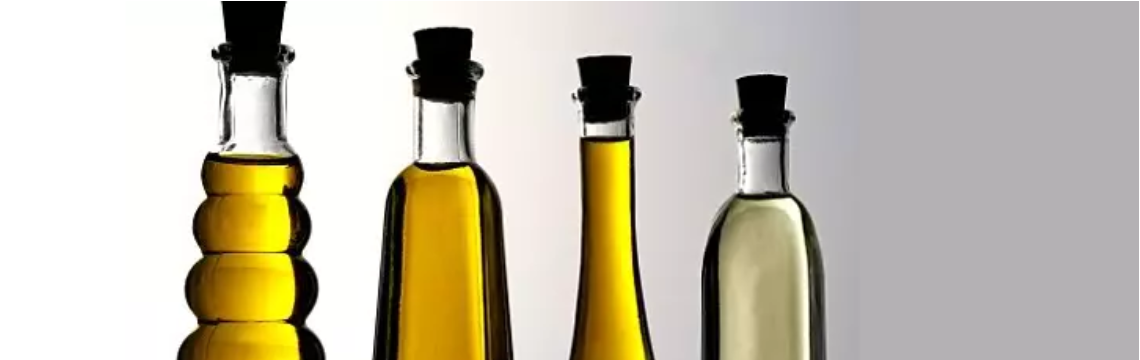
Pictures of Niaouli Oil